Intentional Acts and Illegal Activities

Homeowners insurance policies universally exclude coverage for damage or liability arising from intentional acts by the insured or illegal activities conducted on the property. This includes:
- Intentional damage to one’s own property
- Injuries intentionally caused to others
- Damage related to illegal drug manufacturing or distribution
- Fraud or misrepresentation in insurance claims
There is no insurance solution for these exclusions, as they represent fundamental principles of insurance coverage: policies are designed to protect against unforeseen accidents, not deliberate acts.
Government Action and War

Standard homeowners policies exclude damage resulting from:
- War, invasion, or acts of foreign enemies
- Government seizure, confiscation, or destruction of property
- Nuclear hazards (though nuclear liability is addressed through federal programs)
These exclusions are standard across the insurance industry, and coverage for such events is generally not available through private markets.
Umbrella Insurance: Broadening Liability Protection
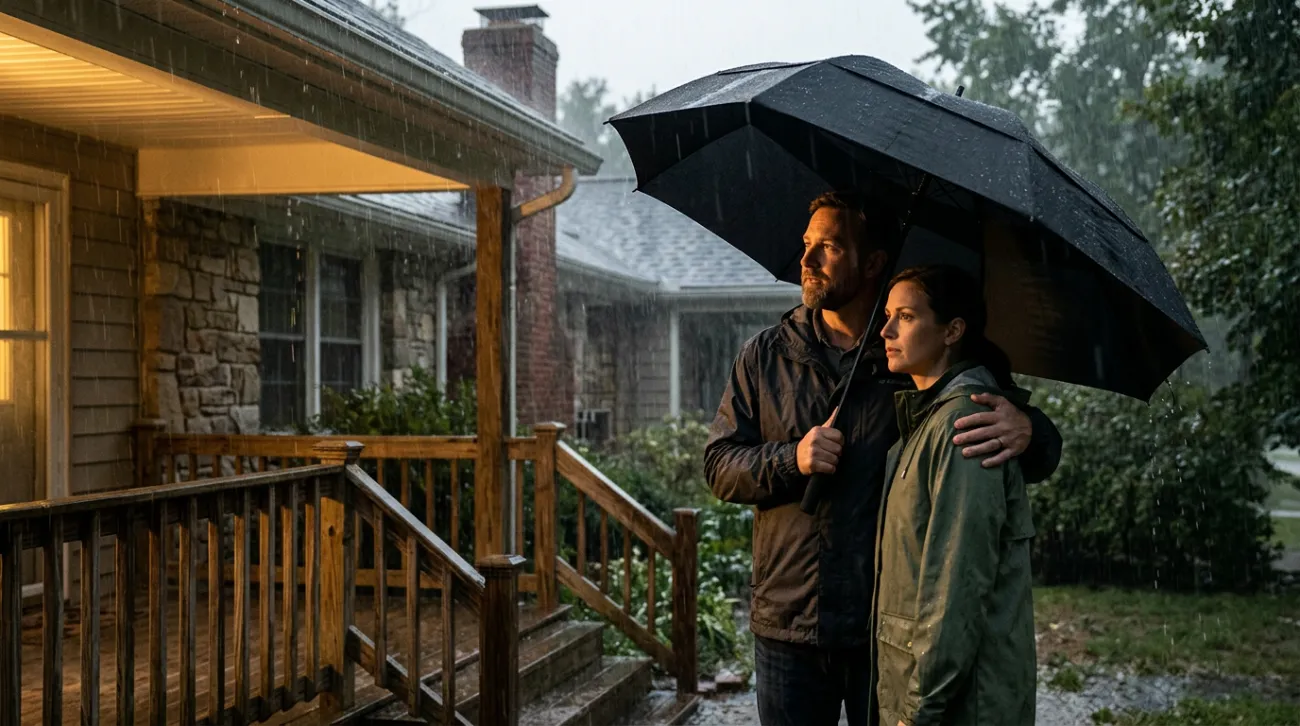
While not a solution for property coverage gaps, a personal umbrella policy can significantly enhance liability protection beyond the limits of homeowners and auto insurance. Umbrella policies typically provide coverage starting at $1 million and can extend to $5 million or more.
An umbrella policy may cover:
- Liability claims exceeding the limits of underlying policies
- Certain claims excluded by underlying policies (coverage varies by insurer)
- Legal defense costs
Given the relatively low cost of umbrella coverage compared to the protection provided, it represents an efficient way to address liability exposure that homeowners insurance alone may not adequately cover.
Steps to Review and Strengthen Your Coverage

To ensure comprehensive protection, homeowners should take the following steps:
- Review your declarations page: Understand your current coverage limits and deductibles
- Read the exclusions section: Every policy lists what is not covered
- Assess your risk factors: Consider your geographic location, home age, valuable possessions, and lifestyle factors
- Request quotes for supplemental coverage: Flood, earthquake, scheduled property endorsements, and umbrella policies
- Document your belongings: Maintain a home inventory with photos, receipts, and appraisals for valuable items
- Review coverage annually: Update coverage as your circumstances change
Conclusion
Standard homeowners insurance provides valuable protection against many common perils, but its exclusions can leave significant financial vulnerabilities. Flood damage, earthquakes, sewer backups, and high-value personal property limitations represent some of the most consequential gaps in coverage.
By understanding what your policy does and does not cover, you can make informed decisions about supplemental coverage options. Flood insurance, earthquake policies, valuable articles endorsements, and umbrella liability coverage can work together with your base homeowners policy to create a more comprehensive safety net for your home and assets.
Consulting with a licensed insurance professional who can review your specific policy and circumstances remains the most reliable way to identify coverage gaps and appropriate solutions.
Sources
Frequently Asked Questions
Yes, standard homeowners insurance typically covers water damage from sudden and accidental events like burst pipes. However, this is different from flood damage caused by external water sources (like heavy rain or overflowing rivers), which requires separate flood insurance. The key distinction is the source of the water: internal, sudden pipe failures are generally covered, while external flooding is not.
While flood insurance is only required for properties in high-risk flood zones with federally-backed mortgages, flooding can occur anywhere. A significant portion of flood insurance claims come from properties outside designated high-risk areas. If you live in a moderate-to-low risk area, flood insurance is often available at lower rates and may provide valuable protection against unexpected flooding events.
Replacement cost coverage pays to repair or replace damaged property with new items of similar kind and quality, without deducting for depreciation. Actual cash value (ACV) coverage pays the replacement cost minus depreciation, meaning you receive the item’s current market value rather than what it would cost to buy new. Replacement cost coverage typically costs more but provides better protection against out-of-pocket expenses after a claim.
Standard homeowners policies provide very limited coverage for business equipment (often around $2,500) and typically exclude business-related liability claims. If you operate a business from home, you should discuss your activities with your insurance agent. Options include home business endorsements, in-home business policies, or standalone business owner’s policies, depending on the nature and scale of your business operations.
The appropriate amount of umbrella coverage depends on your assets and risk exposure. A general guideline is to have umbrella coverage equal to or greater than your total net worth, as this protects your assets from being seized to satisfy a liability judgment. Factors like owning rental properties, having a swimming pool, employing domestic workers, or having teenage drivers may increase your liability exposure and the recommended coverage amount.
In most states, earthquake coverage must be purchased as a separate standalone policy rather than added as an endorsement to your homeowners policy. In California, earthquake coverage is primarily available through the California Earthquake Authority (CEA) or private insurers. Earthquake insurance typically has higher deductibles than standard homeowners insurance, often ranging from 10% to 20% of the dwelling coverage amount.
