What Homeowners Insurance Doesn’t Cover (and How to Fill the Gaps)
Standard homeowners insurance provides essential protection, but significant exclusions can leave homeowners vulnerable to devastating financial losses. Understanding these gaps and knowing how to address them is critical for comprehensive property protection.
Homeowners insurance serves as a financial safety net against many common perils, from fire damage to theft. However, many policyholders assume their coverage is more comprehensive than it actually is. Standard policies contain numerous exclusions that can result in unexpected out-of-pocket expenses when disaster strikes.
According to the Insurance Information Institute, standard homeowners policies typically cover damage from fire, lightning, windstorms, hail, theft, vandalism, and certain types of water damage from burst pipes. What they generally do not cover can be equally—if not more—costly. This article examines the most significant homeowners insurance exclusions and provides guidance on supplemental coverage options.
Flood Damage: The Most Common Exclusion
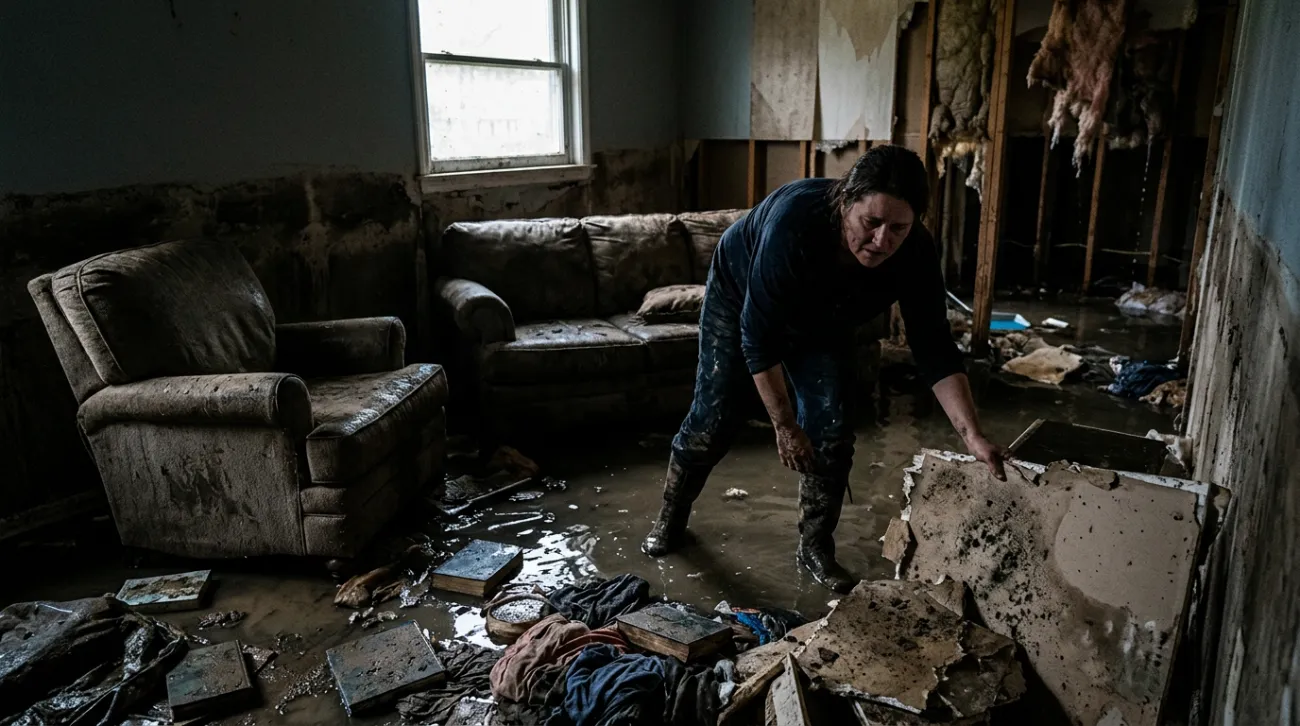
Flood damage represents one of the most significant and often misunderstood exclusions in homeowners insurance. Standard policies universally exclude flood damage, regardless of the flood’s source—whether from hurricanes, heavy rainfall, overflowing rivers, or storm surge.
The Federal Emergency Management Agency (FEMA) reports that flooding is the most common and costly natural disaster in the United States. Even areas outside designated high-risk flood zones experience flooding; FEMA data indicates that a substantial portion of flood claims come from properties in moderate-to-low risk areas.
How to Fill the Gap
The National Flood Insurance Program (NFIP), administered by FEMA, offers flood insurance policies to homeowners, renters, and business owners in participating communities. Coverage limits through the NFIP extend up to $250,000 for building coverage and $100,000 for contents coverage for residential properties.
Private flood insurance is also available from numerous insurers and may offer higher coverage limits, additional coverage options, or competitive pricing compared to NFIP policies. Homeowners should compare both options when seeking flood protection.
Earthquake Damage

Earthquake damage is another standard exclusion in homeowners insurance policies nationwide. While earthquakes are most commonly associated with California and the Pacific Northwest, seismic activity can occur in many regions, including the New Madrid Seismic Zone in the central United States.
The United States Geological Survey (USGS) monitors seismic activity throughout the country and notes that earthquake risk exists in numerous states beyond those on the West Coast.
How to Fill the Gap
Standalone earthquake insurance policies are available from private insurers in most states. In California, the California Earthquake Authority (CEA) is a primary provider of residential earthquake coverage. Policies typically cover dwelling damage, personal property, and additional living expenses, though deductibles tend to be higher than standard homeowners policies—often ranging from 10% to 20% of the dwelling coverage amount.
Water Damage Exclusions and Limitations

While homeowners insurance does cover certain types of water damage, the distinctions can be confusing. Generally covered water damage includes sudden and accidental incidents like burst pipes or water heater failures. However, several water-related perils are typically excluded:
- Gradual water damage: Slow leaks that develop over time, causing mold or structural damage
- Sewer and drain backup: Water that backs up through sewers, drains, or sump pumps
- Groundwater seepage: Water that enters through the foundation from underground sources
- Neglected maintenance: Damage resulting from failure to maintain plumbing or appliances
How to Fill the Gap
Many insurers offer water backup and sump pump overflow endorsements that can be added to a standard homeowners policy for an additional premium. This endorsement covers damage caused by water that backs up through sewers, drains, or sump pump failures.
For gradual water damage, the best protection is preventive maintenance: regular inspections of plumbing, appliances, and roofing can help identify potential issues before they result in significant damage.
Maintenance-Related Issues and Wear and Tear
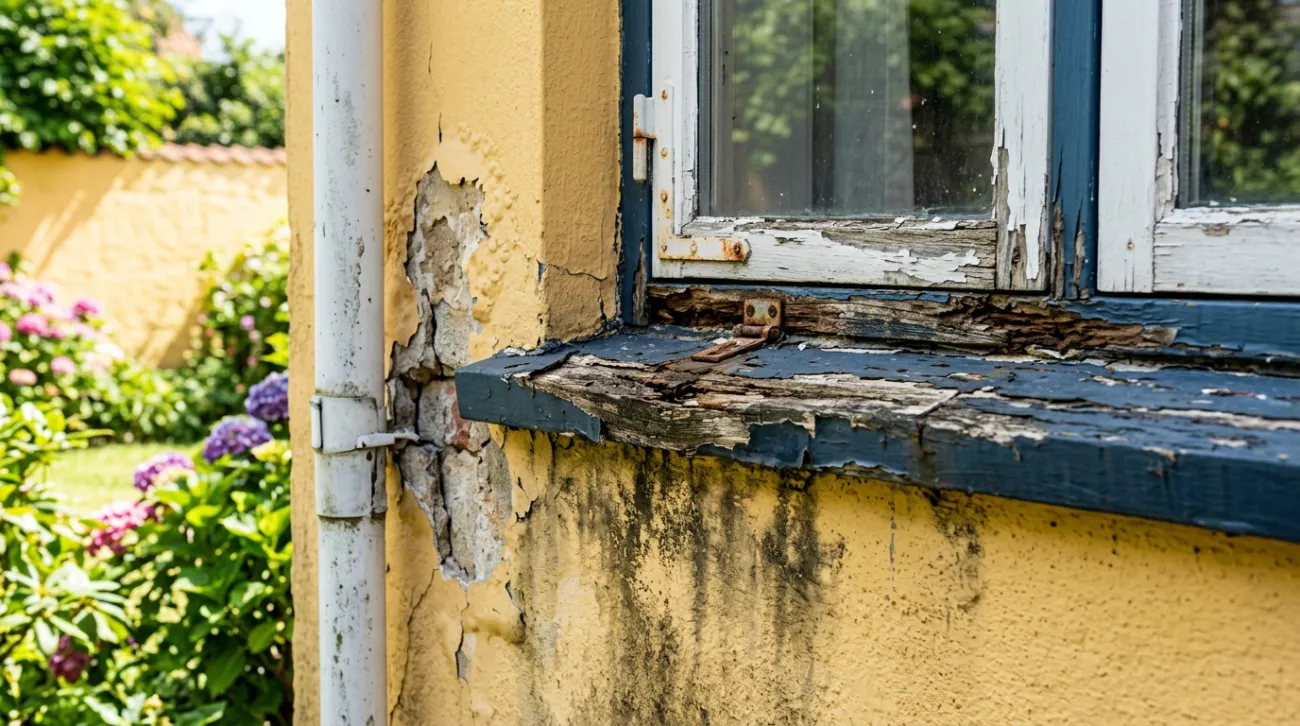
Homeowners insurance is designed to cover sudden, accidental losses—not the gradual deterioration that comes with owning a home. Exclusions in this category include:
- Normal wear and tear on roofing, siding, and structural components
- Pest infestations, including termites, rodents, and insects
- Mold and mildew (in most cases)
- Rust, rot, and corrosion
- Settling, cracking, or shrinkage of foundations, walls, or floors
How to Fill the Gap
While insurance options for maintenance-related issues are limited, homeowners can consider:
- Home warranty plans: These cover repair or replacement of major systems and appliances due to normal wear and tear
- Termite bonds: Pest control companies offer ongoing protection contracts that may cover damage repair
- Mold coverage endorsements: Some insurers offer limited mold coverage as an add-on, though with significant coverage caps
High-Value Personal Property Limitations

Standard homeowners policies include coverage for personal belongings, but sub-limits often apply to certain categories of valuable items. Common sub-limit categories include:
| Item Category | Typical Sub-Limit Range |
|---|---|
| Jewelry and watches | $1,000 – $2,500 |
| Firearms | $2,000 – $3,000 |
| Silverware and goldware | $2,500 – $5,000 |
| Cash and securities | $200 – $500 |
| Fine art and collectibles | Varies widely |
| Electronics and computers | May be limited for certain perils |
How to Fill the Gap
Homeowners with valuable items exceeding these sub-limits should consider scheduled personal property endorsements (also called floaters or riders). These endorsements provide coverage for specific high-value items at their appraised value, often with broader protection than the standard policy provides—including accidental loss in some cases.
For extensive collections, a standalone valuable articles policy may provide more comprehensive and cost-effective coverage than multiple individual endorsements.
Business Property and Liability

Homeowners who operate businesses from their residences face coverage gaps, as standard policies provide minimal protection for business-related activities:
- Business equipment and inventory typically have very low coverage limits (often around $2,500)
- Liability coverage generally excludes business-related claims
- Loss of business income is not covered
How to Fill the Gap
Home-based business owners should explore:
- Home business endorsements: Increase coverage limits for business property and may extend liability protection
- In-home business policies: Standalone policies designed for larger home-based operations
- Business owner’s policies (BOPs): Comprehensive commercial policies for businesses that have outgrown home-based coverage options
Home-Based Business Considerations
- Disclose business activities to your insurer to avoid claim denials
- Consider professional liability coverage if you provide advice or services
- Review coverage needs annually as your business grows
Certain Dog Breeds and Animal Liability

While homeowners insurance generally includes personal liability coverage, many insurers exclude or limit coverage related to certain dog breeds or animals with a history of aggression. Breeds commonly subject to restrictions vary by insurer but may include pit bulls, Rottweilers, German Shepherds, and others.
How to Fill the Gap
Pet owners with excluded breeds may need to:
- Seek insurers with more inclusive pet policies
- Purchase standalone canine liability insurance or animal liability policies
- Increase liability limits through an umbrella policy if the base policy does provide some coverage